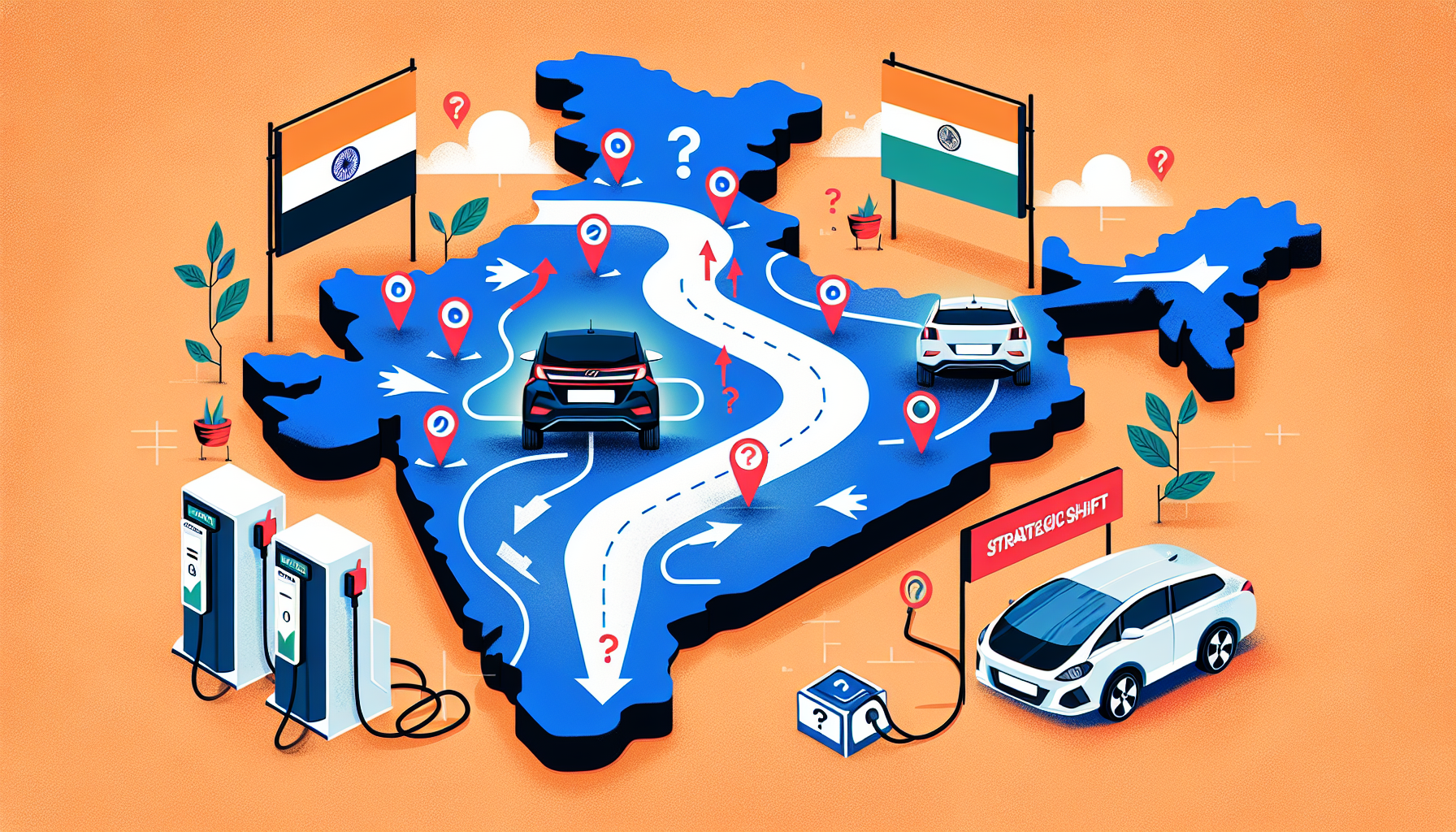
💥 Hyundai & Kia Sell Stake in Ola Electric: What It Means and Why It Matters | Your Complete Breakdown 💡
Have you followed Hyundai and Kia's ambitious electric vehicle (EV) venture in India? Well, there’s just been a surprising twist in the story. Both South Korean auto giants have sold or reduced their ownership stakes in Ola Electric — a sudden move that left the markets buzzing and shares tumbling. Let’s dig into what happened, what it means for the EV industry, and what lessons businesses can take from it.
🧭 Table of Contents
- What Happened: Quick Recap
- Understanding the Ola-Hyundai-Kia Partnership
- Why They Sold: A Deeper Look
- Impact on Ola Electric
- What This Means for India’s EV Future
- Electric Vehicles: Global Industry Lessons
- Strategic Business Takeaways
- Final Thoughts
1. What Happened: Quick Recap 🗞️
On June 4, 2025, Reuters reported that Hyundai Motor exited its entire stake in Ola Electric, and Kia sold a portion of its shares in the Bengaluru-based EV manufacturer. Combined, the share sale was worth ₹6.89 billion (approximately $80 million USD).
Here’s the breakdown:
- 🔹 Hyundai held a 2.47% stake — sold fully for ₹50.70/share
- 🔹 Kia held less than 1% — sold 0.6% at ₹50.55/share
- 🔻 Ola Electric shares fell 8% following the sale news
This wasn’t just a portfolio reshuffle — it marked a shift in strategy.
2. Understanding the Ola-Hyundai-Kia Partnership 🤝
Back in 2019, Hyundai and Kia jointly invested around $300 million into Ola, India’s ride-hailing unicorn turned EV-maker, aiming to co-develop electric vehicles and supporting infrastructure.
It was a bold move:
- 🌱 Build India’s EV charging ecosystem
- 🚗 Create vehicles for shared mobility
- 📈 Expand their EV footprint in one of the world’s fastest-growing markets
Fast forward to 2025 — things have obviously changed.
3. Why They Sold: A Deeper Look 🔎
Several factors likely motivated the withdrawal.
1. 📉 Falling Share Prices
Ola Electric’s shares have dropped 46% since its IPO in August 2024. That’s a red flag for investors, and likely affected long-term confidence.
2. 💸 Poor Financial Performance
The company reported a widening net loss in Q4 and guidance for further revenue decline in Q1 FY2025. Ongoing discounts to compete with legacy two-wheeler brands are hurting profitability.
3. ⚠️ Regulatory Pressures & Competition
Ola faces strict regulatory scrutiny and fierce competition from established Indian two-wheeler giants like Hero, TVS, and Bajaj. There are also challenges with EV standards, safety, and consumer adoption.
4. 🔁 Strategic Realignment
Hyundai and Kia may be refocusing their EV efforts on more promising foreign and domestic ventures. It’s all about ROI — and Ola may no longer fit the bill.
4. Impact on Ola Electric ⚡
This is a major reputational and market blow.
- ✔ Confidence Drops: Investors may now question Ola’s valuation, strategy, and market potential.
- 🧾 Short-term Cash Influx: While the ₹6.89B share sale infuses liquidity, it wasn’t from a fundraising round — it was an exit.
- 📊 Market Volatility: Share price fell 8% on the day of the announcement despite stable trading conditions.
But can Ola Electric recover from this?
It’s possible, but they must:
- Sharpen their product differentiation
- Improve financial performance
- Strengthen investor relations
- Win more consumer trust
5. What This Means for India’s EV Future 🇮🇳
India is still one of the most promising EV markets in the world. But this exit raises a few questions:
- ❓ Can Indian startups sustain global partnerships for innovation?
- ❓ Is the market overhyped beyond practical consumer demand?
- ❓ How ready is the infrastructure to support rapid EV scale-up?
While this development may seem like a setback, it also underlines the natural evolutions in emerging tech sectors — only adaptive players will survive and thrive.
6. Electric Vehicles: Global Industry Lessons 🌍
The Ola saga is a textbook case for how capital, vision, and execution must be aligned in EV partnerships.
📌 Case Examples:
- 🚙 NIO in China: Rebounded with government support and tech innovation.
- 🚗 Lordstown Motors (USA): Faced back-to-back lawsuits and CEO exits — and investor confidence crashed.
- 🏍️ Ather Energy (India): Well-capitalized and product-focused, it's quietly gaining consumer trust.
Key Lesson: The EV space is not for the faint-hearted. Execution is everything.
7. Strategic Business Takeaways 🎯
Whether you’re an entrepreneur, investor, or corporate leader, take note:
✔ Don't chase trends — chase sustainable value.
✔ Vet your partners for more than capital — vision compatibility matters.
✔ Track exit signals: large players withdrawing early isn’t always “normal.”
✔ Stay agile: Market conditions change quickly; your strategy should too.
8. Final Thoughts 💬
Hyundai and Kia leaving Ola Electric may seem like a setback — but it’s more a recalibration than a failure. The Indian EV story is still being written and remains full of opportunity. However, for investors and manufacturers alike, it’s a reminder that even unicorns aren’t bulletproof.
Do you think Ola Electric will bounce back stronger or will this serve as a cautionary tale for startups in India’s EV race? Drop your thoughts below 👇
✍️ Written by [Your Name],
Digital Business Strategist | EV Market Analyst | Startups & Innovation Enthusiast
🔁 Share this with a friend who's into tech, EVs, or just loves strategy!
#Hyundai #Kia #OlaElectric #EVMarket #IndiaEV #ElectricVehicles #AutomotiveNews #StartupInsight #BusinessStrategy #InvestorInsights #EVTrends2025 #YahooFinance
Leave a Reply