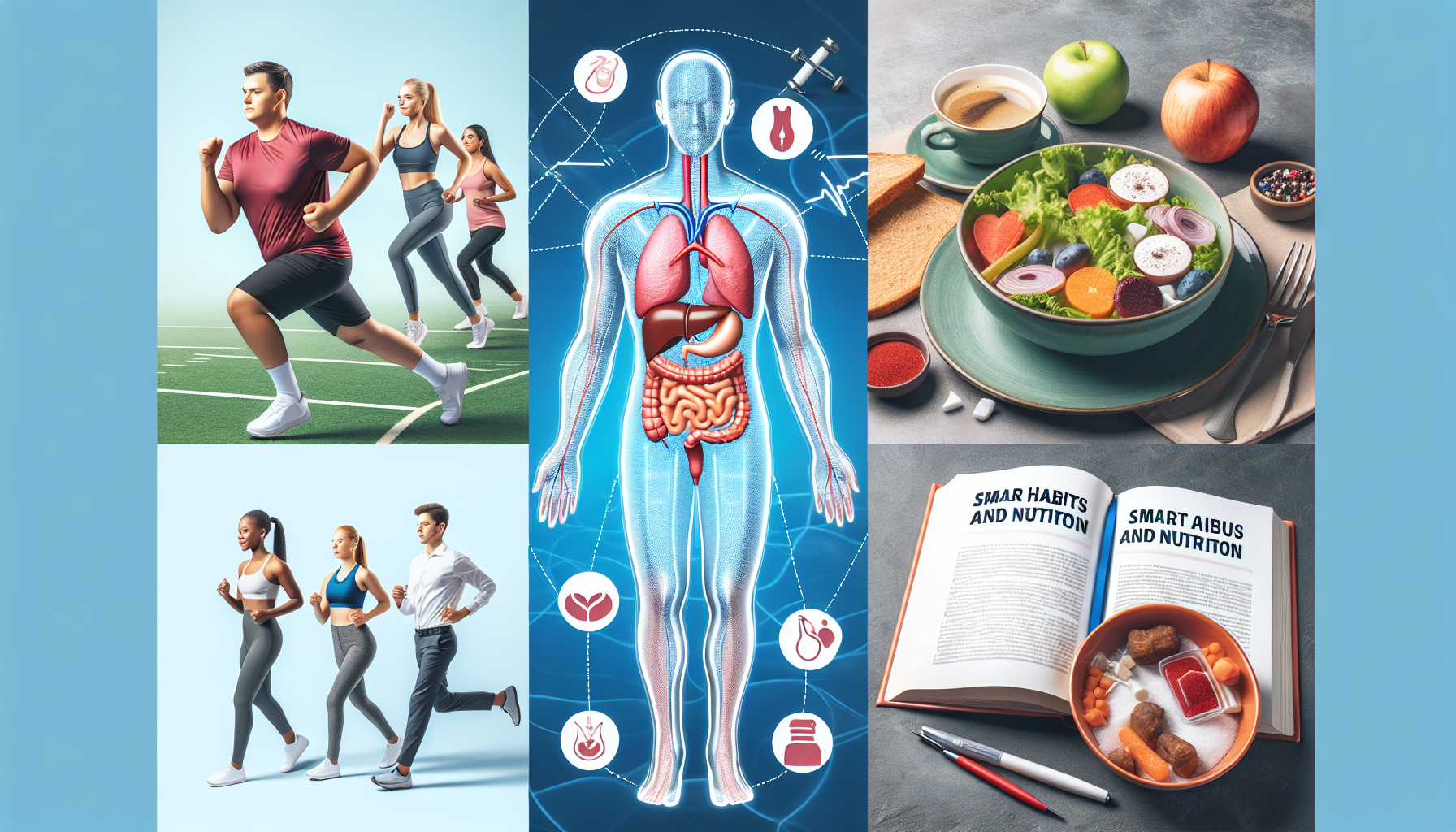
The Hidden Complications of Diabetes: How to Protect Your Health with Smart Food Choices and Simple Daily Habits
If someone asked you what’s scary about diabetes, what would you say? High blood sugar? Daily insulin shots? While those are serious, the most terrifying part lies in the risks you can’t see—its complications. Often called a “silent killer,” diabetes creeps up subtly and, if poorly managed, can damage your eyes, kidneys, heart, nerves, and so much more.
In today's post, we’ll explore the full spectrum of diabetic complications—from sudden emergencies to long-term damage—as well as easy-to-understand prevention tips, recommended foods, and real-world examples, so you can better protect yourself or support a loved one.
🧬 Types of Diabetes Complications: Acute vs. Chronic
Diabetes isn’t just about high blood sugar. When left uncontrolled, it causes two major forms of complications:
- Acute (Short-term, immediate risk)
- Chronic (Long-term, progressive damage)
Let’s break each one down.
⚠️ Acute Diabetes Complications: Sudden and Dangerous
Acute complications can happen within hours and may be life-threatening without prompt treatment.
1. Diabetic Ketoacidosis (DKA)
Occurs mostly in type 1 diabetes when insulin is severely lacking. The body starts breaking down fat for energy, which leads to acid build-up in the blood.
🧠 Symptoms:
- Fruity-scented breath
- Rapid breathing
- Vomiting, confusion
- Excessive thirst + urination
🏥 Real-life Example:
A 16-year-old athlete unknowingly developed Type 1 diabetes. After a week of constant thirst and exhaustion, he collapsed during practice. He was diagnosed with DKA and required intensive care for recovery.
2. Hyperosmolar Hyperglycemic State (HHS)
More common in older adults with Type 2 diabetes. Involves extremely high blood sugar without the acid build-up.
💧 Symptoms:
- Severe dehydration
- Weakness, confusion
- Frequent urination, weight loss
3. Hypoglycemia (Low Blood Sugar)
Can result from skipping meals, over-exercising, or taking too much insulin.
⚡ Red flags:
- Shakiness, dizziness
- Rapid heartbeat
- Blurred vision
- In severe cases, it can lead to unconsciousness
💉 How Are Acute Complications Treated?
Acute situations require immediate medical intervention.
- Fluids and electrolytes are given intravenously
- Insulin therapy to reduce high glucose
- Continuous monitoring in a hospital setting
⛑️ Prevention Tip: Always keep a glucose snack (like a sugar tablet or juice box) on hand if you’re on insulin or oral hypoglycemics.
🧠 Chronic Diabetes Complications: Silent and Cumulative
Unlike acute issues, chronic complications develop slowly over time and can cause permanent damage, often without symptoms at first.
1. Macrovascular Complications (Large blood vessels)
- Heart disease (leading cause of death in diabetics)
- Stroke
- Peripheral artery disease → can lead to limb amputation
🫀 Did you know? Diabetics are 2–4 times more likely to suffer from cardiovascular disease than non-diabetics.
2. Microvascular Complications (Small blood vessels)
-
Retinopathy (Vision loss)
Tiny vessels in the retina get damaged. May lead to blindness. -
Nephropathy (Kidney failure)
Damaged kidney filters can't remove waste properly. Severe cases may need dialysis. -
Neuropathy (Nerve damage)
Can cause:- Tingling/numbness
- Erectile dysfunction
- Digestive problems
- Foot ulcers or infections
🙍 Case Study: A middle-aged office worker ignored his mild foot numbness for years—until he developed a deep ulcer that led to toe amputation.
🩺 Treatment & Management for Chronic Complications
Managing chronic complications requires consistent and ongoing effort:
- Regular checkups (eye, kidney, foot screenings)
- Blood pressure and cholesterol control
- Glucose-lowering medications
- Lifestyle adjustments
🥦 Best Foods for People with Diabetes
Choosing the right foods can significantly prevent complications. Here’s what your plate should often include:
🔹 Leafy Greens
Rich in antioxidants and fiber. Think: spinach, kale, broccoli.
🔹 Legumes (Beans, lentils)
Provide plant-based protein and slow-digesting carbs.
🔹 Omega-3 Fatty Acids
Found in salmon, mackerel, and sardines—help reduce inflammation and heart risk.
🔹 Nuts (Almonds, walnuts)
High in healthy fats and magnesium.
🔹 Cinnamon & Garlic
Both reported to have potential blood sugar-lowering effects.
🚫 Foods to Avoid If You Have Diabetes
Making mindful food choices is as much about saying “no” as it is about saying “yes.”
✔️ Avoid:
- White rice, white bread → Switch to brown rice or whole grains
- Sugary drinks & processed snacks → Choose naturally flavored water or nuts
- Fried foods & fatty meats → Opt for grilled lean proteins
- Alcohol in excess or sugary cocktails
- Flavored lattes, mixed coffees → Packed with hidden sugar and fat
📌 Pro tip: Always check nutrition labels. Even “healthy” granola bars can pack a glucose punch.
🧘♀️ Diabetes Prevention: 5 Everyday Strategies That Work
Don’t wait for symptoms to start managing your health.
💬 Here are the golden rules:
- Maintain a healthy body weight and waist size
- Get at least 30 minutes of physical activity daily
- Eat a balanced diet—avoid binging and skipping meals
- Develop sustainable routines involving sleep, stress management, and hydration
- Get annual health checkups to detect early signs
🙋 Final Thoughts
Diabetes is not just a sugar problem—it’s a full-body condition that requires attention, awareness, and action. From sudden coma-inducing situations to slow but deadly organ damage, understanding the risks is the first step to prevention.
Whether you're newly diagnosed, pre-diabetic, or caring for someone with the condition, these lifestyle changes can make all the difference.
🩺 When in doubt, consult your healthcare provider—your future self will thank you.
✅ Stay informed.
✅ Eat smart.
✅ Keep moving.
And remember: diabetes doesn’t control you—you control it. 💪
📌 If you found this article helpful, don't forget to bookmark or share it with someone who may need this essential information.
Leave a Reply