Title: Understanding Diabetes Complications: Types, Symptoms, Treatment, and Prevention Tips
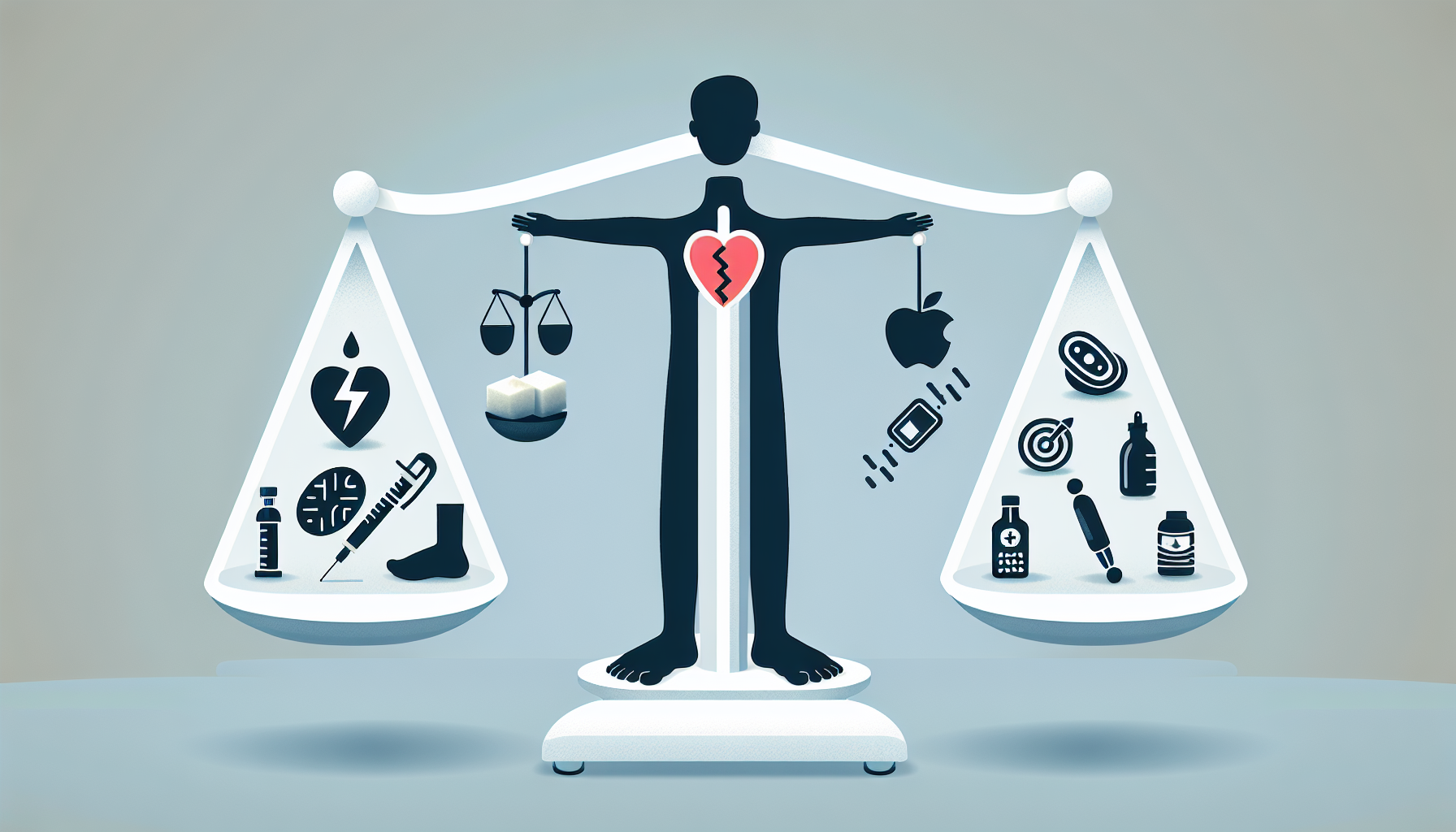
When we talk about diabetes, it's easy to focus solely on blood sugar levels. But here's the truth: what makes diabetes dangerous isn't just the disease itself, but the complications it can lead to over time. That’s why diabetes is often called “the silent destroyer.” Without consistent management, high blood sugar can silently damage organs and blood vessels, leading to severe—and sometimes life-threatening—health issues.
In today’s blog, we’ll explore the complications of diabetes, how to recognize them, what foods help or hurt, and finally, how to prevent them from taking control of your life.
🧭 Table of Contents
- Types of Diabetes Complications: Acute vs. Chronic
- Acute Diabetes Complications
• Diabetic Ketoacidosis (DKA)
• Hyperosmolar Hyperglycemic State (HHS)
• Hypoglycemia - Treating Acute Complications
- Chronic Complications
• Macrovascular Complications
• Microvascular Complications - Managing Chronic Complications
- Best Foods for Diabetes
- Foods to Avoid
- Prevention Tips
1. Types of Diabetes Complications
Diabetes is a chronic condition that requires lifelong management. Many people know this. But what fewer understand is that leaving diabetes uncontrolled leads to blood sugar buildup, which damages blood vessels and nerves—and the longer it stays that way, the more harm it causes.
These complications are generally divided into two categories:
- Acute Complications: Sudden and often life-threatening
- Chronic Complications: Long-term damage caused by prolonged poor glucose control
2. Acute Diabetes Complications: The Immediate Dangers
Acute complications can develop rapidly. Blood sugar either spikes or drops to dangerous levels, triggering emergency symptoms. Let’s break down the three most common types:
🚨 Diabetic Ketoacidosis (DKA)
DKA often occurs in people with type 1 diabetes. When the body doesn’t have enough insulin, it starts breaking down fat for energy, leading to a buildup of acids called ketones. Symptoms include:
- Fatigue
- Dry mouth
- Nausea and vomiting
- Abdominal pain
- Fruity-smelling breath
- Rapid heartbeat and low blood pressure
Real-life scenario: Anna, a 21-year-old university student with type 1 diabetes, skipped multiple insulin doses during exams. One night, she collapsed from abdominal pain and vomiting. She was diagnosed with DKA and needed ICU care.
🌡 Hyperosmolar Hyperglycemic State (HHS)
Seen often in type 2 diabetes, HHS is characterized by very high blood sugar without ketones. It leads to severe dehydration. Symptoms include:
- Frequent urination
- Extreme thirst and dry skin
- Confusion or lethargy
- Unintended weight loss
⚠️ Hypoglycemia
This occurs when blood sugar drops too low—often below 70 mg/dL. Triggers include skipping meals, exercising without adjustment, or taking too much medication.
Common signs are:
- Dizziness, sweating
- Rapid heartbeat
- Blurred vision
- Seizures or even loss of consciousness
Note: In severe cases, hypoglycemia can lead to coma and requires immediate sugar intake or emergency glucagon injection.
3. Treating Acute Complications
The golden rule? Time is everything. In cases of DKA or HHS, hospitalization with IV fluids, insulin, and electrolytes (like potassium) is essential.
For hypoglycemia, the quickest home remedy is consuming 15-20g of fast-acting carbs, such as:
- 4 ounces of juice
- Glucose tablets
- Regular soda (not diet)
If consciousness is lost, a glucagon injection might be needed—so always carry one if you're at risk.
4. Chronic Diabetes Complications: The Long-Term Dangers
Chronic complications develop slowly and are often silent. They typically involve damage to blood vessels, categorized as:
🔴 Macrovascular Complications
These affect large blood vessels and include:
- Heart Disease: Narrow arteries can cause angina or heart attacks.
- Stroke: Blocked brain vessels raise the risk significantly.
- Peripheral Artery Disease (PAD): Less blood flow to the limbs may lead to amputations.
🔬 Microvascular Complications
These impact smaller blood vessels and organ integrity:
-
Diabetic Retinopathy: Eye damage that can lead to blindness.
- Early signs include blurred vision and floaters.
-
Diabetic Nephropathy (Kidney Disease):
- Protein in the urine ("foamy urine") signals early kidney damage.
- May lead to dialysis or kidney transplant if unmanaged.
-
Diabetic Neuropathy:
- Nerve damage causing numbness, tingling, and pain.
- May affect legs, digestion, and even sexual function.
- In severe cases, infections in numb feet may require amputations.
Real-life tip: John, a 55-year-old man with poorly controlled type 2 diabetes, ignored numbness in his feet. A small wound turned into a serious infection. His left toe had to be amputated. Regular foot checks could’ve prevented it.
5. Managing Chronic Complications
There’s no magic bullet, but comprehensive care helps:
- Regular A1C checks (ideally <7%)
- Manage blood pressure and cholesterol
- Use of ACE inhibitors, statins, and antiplatelet agents when necessary
- LDL cholesterol target: <100 mg/dL (or even <70 mg/dL for high-risk patients)
Bonus tip: Routine eye and kidney exams are essential every year for early detection.
6. Best Foods for Diabetes
Good nutrition is your daily line of defense. The best foods for blood sugar control include:
- Leafy Greens: Spinach, kale, and broccoli are low in carbs and rich in fiber.
- Legumes: Beans and lentils stabilize blood sugar and promote satiety.
- Nuts: Almonds, walnuts, and peanuts are full of healthy fats and help balance cholesterol.
- Fatty Fish: Salmon and mackerel are packed with omega-3s.
- Garlic & Cinnamon: May improve insulin sensitivity.
7. Foods to Avoid with Diabetes
Say goodbye (or at least reduce intake) of these common blood-sugar culprits:
- White rice & refined flour: Swap with whole grains like brown rice or quinoa.
- Sugary drinks: Soda, sweetened coffee, and fruit juices spike glucose quickly.
- Alcohol: Especially on an empty stomach, it can cause sudden sugar drops.
- Trans fats & processed meats: Worsen heart disease risk.
Did you know? A single can of soda contains ~39g of sugar — more than the daily recommended maximum!
8. Diabetes Prevention Tips: The 5 Golden Rules
Whether you're pre-diabetic or genetically at risk, prevention is possible. Follow these 5 lifestyle habits:
- Maintain a healthy waistline: Ideal waist circumference: under 90 cm (men), 85 cm (women) in Korea.
- Exercise regularly: At least 150 minutes/week of moderate activity (like brisk walking).
- Eat balanced meals: Don’t skip meals. Include veggie, protein, and whole grains.
- Build better lifestyle habits: No smoking, sleep well, and limit stress.
- Get regular health screenings: Early detection means early protection.
🎯 Final Thoughts
Diabetes isn't just about high blood sugar—it's about protecting your future health. From sudden emergencies like DKA to long-term threats like nerve and kidney damage, the consequences are real but manageable.
With smart food choices, regular check-ups, and a conscious lifestyle, you can take charge of diabetes—not the other way around.
🩺 If you suspect diabetes or its complications, don’t wait. Talk to a doctor—online or offline—right away.
Stay informed, stay empowered. Diabetes may be permanent, but so is your power to beat it with knowledge. 💪
Let’s live well, one choice at a time.
Leave a Reply