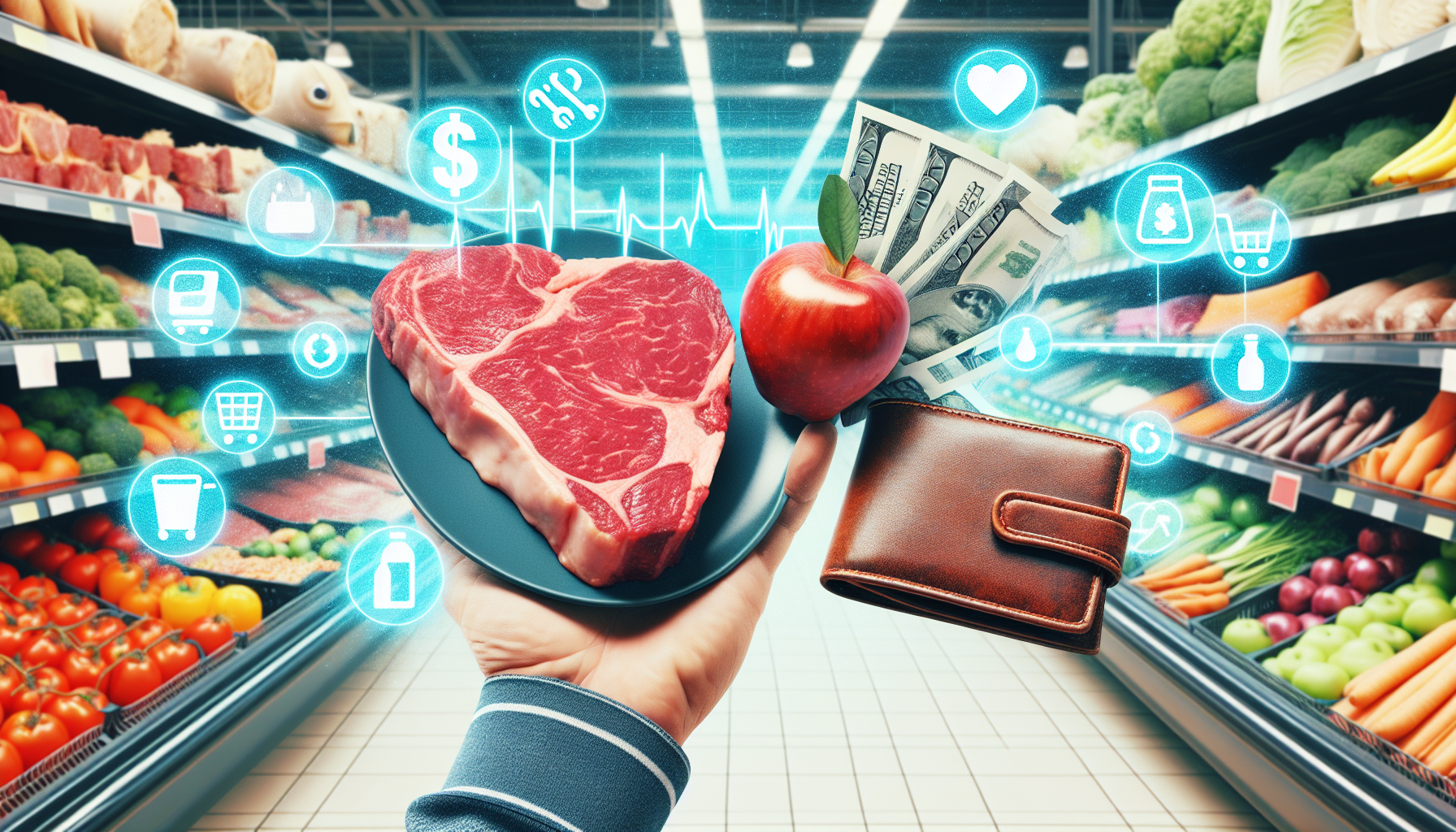
Blog Title: The Real Cost of a Steak: Health Risks, Rising Prices, and Tips for Smarter Eating
If you’ve walked past your favorite steakhouse lately and winced at the new prices on the menu, you're not alone. The price of steak is soaring—and it's not just your wallet paying the cost. From escalating grocery bills to risks of heart disease and diabetes, there are multiple reasons to rethink your weekly meat intake.
In today’s blog, we’re unwrapping the (very expensive) truth behind steak, why it’s become a luxury item, what it means for your health, and how you can eat smarter without giving up on taste or nutrition.
🥩 Why Is Steak So Expensive These Days?
Steak, once a common weekend treat, is quickly becoming a luxury protein. Multiple global factors are behind the price hike:
- Extreme weather patterns have damaged pastureland, reducing cattle supply.
- Feed and fertilizer costs have surged due to geopolitical tensions.
- Labor shortages and supply chain delays are hobbling the entire meat production process.
According to the Financial Times, the average price of beef has risen over 20% in the last two years. This inflationary spike isn’t just felt at high-end restaurants—it’s impacting supermarket purchases, meal delivery services, and even school lunch programs.
⚠️ Eating Steak Occasionally? Your Body Might Be Paying the Price
Beyond the price tag, there’s another hidden cost of high steak consumption: your health.
Red meat has long been associated with health issues, but now the links are stronger and more alarming:
1. Cardiovascular Disease
High in saturated fat and cholesterol, steak can contribute to blockages in the arteries. The World Health Organization (WHO) has classified processed red meats as carcinogenic, and unprocessed red meats as “probably carcinogenic.”
2. Type 2 Diabetes
Too much red meat, especially when cooked at high temperatures (e.g., grilled or pan-seared), increases the risk of insulin resistance. According to Harvard Health, consuming red meat daily can raise your risk of diabetes by up to 19%.
3. Colon Cancer
Numerous large-scale studies show that people who eat red meat frequently are more likely to develop colorectal cancer. Nitrates in processed meats and cooking byproducts are thought to be the culprits.
🍽️ Healthier & Smarter Alternatives to Red Meat
The good news? You don’t have to renounce flavor to improve your health or save money. Here's what nutrition experts recommend:
✅ Plant-Based Proteins
- Lentils, beans, tofu, and tempeh are rich in protein and fiber and much cheaper than beef.
- Add them to stir-fries, soups, or salads for satisfying meals that are heart-healthy.
✅ Fish Rich in Omega-3s
- Mackerel, sardines, salmon, and other oily fish can lower inflammation and improve heart health.
- Go for grilled or baked options for maximum benefit.
✅ Poultry
- Skinless chicken breast and turkey offer lean protein with less saturated fat, making them better daily meat options.
👩⚕️ What Experts Say About “Meaty Cravings”
If you crave red meat, it may not just be about flavor. Iron deficiency, B12 needs, and even habit-based eating patterns could be playing a role.
Registered dietitians suggest:
- Satisfy cravings with iron-rich vegetables like spinach and broccoli, or fortified cereals.
- Season plant-based meals with umami-rich ingredients like mushrooms, soy sauce, or miso to recreate that meaty satisfaction.
💸 Pro Tips to Save Money and Eat Better
Here are some wallet-friendly strategies that work brilliantly:
- Bulk Buy Legumes and Grains: Dry beans and rice store well and form the foundation of countless healthy dishes.
- Meat-Free Mondays: Start with one day a week to reduce meat and experiment with plant-based meals.
- Limit Eating Out: Restaurant steak prices are skyrocketing. Try cooking at home, where you control ingredients and portions.
- Choose Value Cuts: If you must have meat, skip the ribeye. Opt for leaner, cheaper cuts like sirloin or flank steak.
🧠 Think Long-Term: Your Future Health Depends on Today’s Choices
While the discussion started with the rising price of steak, the real takeaway is this: red meat might be costing more than you realize—financially and physically.
Replacing just a few meat-based meals with healthier alternatives each week could reduce:
✨ Risk of heart disease
✨ Impact on the environment
✨ Grocery expenses
✨ Blood sugar spikes and cholesterol levels
Think of it as an investment—not just in your monthly budget, but in your long-term vitality.
💬 Final Thoughts
You don’t have to go full vegetarian to reap the benefits of a healthier, more sustainable diet. By reducing red meat, exploring delicious alternatives, and being mindful of both cost and health data, you can make smart, flavorful choices that feed your body and your financial wellbeing.
So the next time you eye that pricey steak on the menu—or in the meat aisle—pause to ask: is it worth the cost?
Your heart, body, and budget might thank you later.
Have you found a great meat alternative you love? Share it in the comments below!
📩 Want more health-conscious lifestyle tips and food insights? Subscribe to our newsletter today!
#HealthyLiving #BudgetTips #DietAndWellness #SmartEating #MeatAlternatives #FinancialHealth #NutritionBlog
Leave a Reply