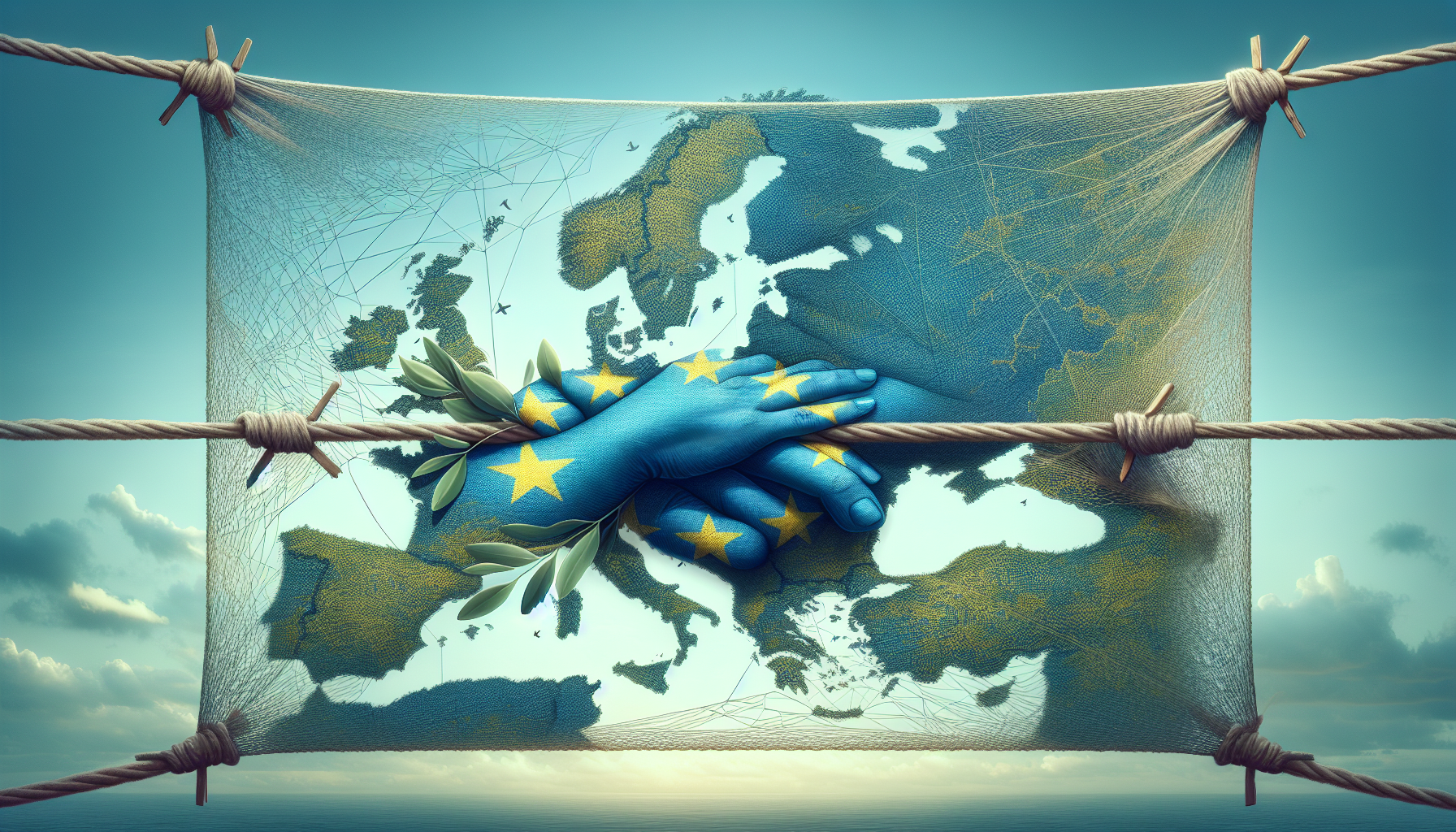
🇺🇦 European Allies Push Back: Inside the Dispute Over Ukraine’s Peace Plan
When it comes to war and peace, the road is rarely smooth—and when geopolitics, sovereignty, and military security collide, the friction becomes global. This week, a new chapter unfolded in the ongoing conflict between Ukraine and Russia, as major European powers firmly rejected a proposed U.S.-Russia-backed peace plan.
Let’s dive into what’s happening and why this matters for investors, nations, and citizens around the world.
📌 Table of Contents
- What is the proposed Ukraine peace plan?
- Why are European leaders pushing back?
- Key points of contention
- Geopolitical risks ahead
- Historical parallels that spotlight the risk
- What this means for global markets
- Final thoughts
1. What Is the Proposed Ukraine Peace Plan?
The controversial peace plan—reportedly developed by U.S. President Donald Trump’s special envoy Steve Witkoff and Russia’s envoy Kirill Dmitriev—was recently presented to Ukrainian President Volodymyr Zelensky.
While this plan aims to bring an end to the devastating war in Ukraine, it comes with some heavy trade-offs:
- Limiting Ukraine’s military to just 600,000 troops
- Recognizing Crimea, Luhansk, and Donetsk as Russian territory
- Freezing control over Kherson and Zaporizhzhia along the current battle lines
- Blocking Ukraine’s path to NATO membership in the future
These suggestions have sparked outrage—not just from Kyiv, but also from some of its most vital European allies.
2. Why Are European Leaders Pushing Back?
From Berlin to Paris to London, the message is clear: not so fast.
🇩🇪 German Chancellor Friedrich Merz, 🇫🇷 French President Emmanuel Macron, and 🇬🇧 UK Prime Minister Keir Starmer held a critical call with President Zelensky. Their joint stance?
✅ Ukraine’s military must retain the ability to defend its sovereignty
✅ Any negotiations must begin from the current line of contact—not dictated by outside powers
Their wariness is simple: they fear the peace proposal is more about appeasing Moscow than establishing a just and lasting peace.
3. Key Points of Contention
Here’s a simple breakdown of why the plan is so controversial:
| Proposal | European Response |
|---|---|
| Ukraine capped to 600,000 troops | Too restrictive – compromises national defense |
| Crimea, Luhansk, Donetsk as Russian | Total no-go – violates Ukraine’s territorial integrity |
| ‘Frozen zones’ in Kherson and Zaporizhzhia | Recognizing Russian control could legitimize invasion |
| NATO membership denial | Undermines Ukraine’s sovereign right to choose its alliances |
From a European perspective, the deal appears alarmingly concession-heavy in Russia’s favor.
4. Geopolitical Risks Ahead
This diplomatic tug-of-war highlights a broader, more sinister risk: a fragmented Western response.
👥 If European nations and the U.S. are no longer united in their approach to Ukraine, it could:
- Undermine NATO alliances
- Weaken sanctions coordination
- Let's be honest—embolden authoritarian regimes watching from the sidelines
This battle of ideologies—between national sovereignty and realpolitik accommodation—is playing out in real-time.
5. Historical Parallels That Spotlight the Risk
This is not the first time in history we've seen proposed peace that “freezes” territorial gains:
- 📜 1938: Munich Agreement – Western powers allowed Hitler to annex parts of Czechoslovakia in a failed attempt at peace
- ❄️ 1953: Korean Armistice – Created a frozen conflict still unresolved over 70 years later
“Peace without justice eventually leads back to war.” That’s the concern many Europeans seem to share.
6. What This Means for Global Markets
Even though the battlefield is in Eastern Europe, the economic impact is global.
📉 Rising geopolitical anxiety could:
- Increase risk premiums across global markets
- Stimulate demand for safe-haven assets like gold and U.S. Treasuries
- Further complicate already-sensitive energy markets (especially for natural gas in Europe)
Investors should also keep a close eye on defense stocks, as ongoing militarization could boost the sector.
7. Final Thoughts
This isn’t just about Ukraine. What’s at stake is the post-WWII international order that values sovereignty, territorial integrity, and the collective resolve to protect democratic nations.
The European allies’ rejection of core elements in the U.S.-Russia plan signals a potential breakdown in Western unity—but also a reaffirmation of their commitment to justice over convenience.
🌍 As history continues to unfold, one thing remains clear: peace built on pressure may not stand the test of time.
🛡️ Ukraine’s fight is more than a war on the ground—it’s a global test of values, sovereignty, and international courage. How the world responds will define more than just borders. It may shape the decades to come.
👉 Stay informed. Stay cautious. Stay engaged.
— Written by a global markets analyst & blogger with deep insights in geopolitics and investing trends.
🔎 Source: Investing.com – European Allies Reject Key Elements of Ukraine Peace Plan
Leave a Reply