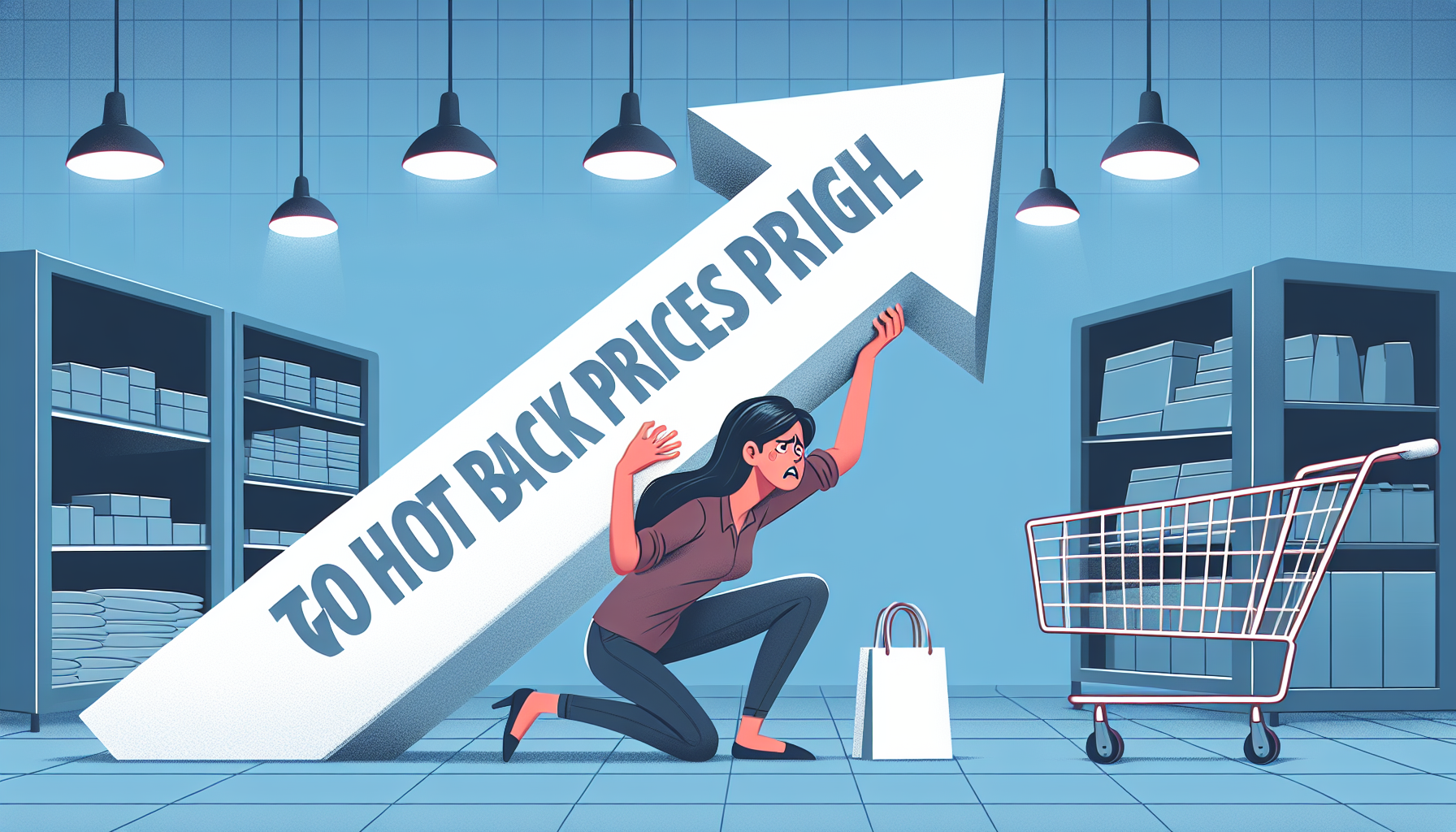
Title: Why Prices Aren’t Coming Down — And What You Can Do About It (According to Nobel Economist Paul Krugman)
Prices are high. Groceries feel more expensive. Renting feels nearly impossible in some cities. So, when politicians take the stage and promise to “bring prices down,” it’s no wonder many voters respond with hope — or skepticism.
But what if those promises are, at best, misleading?
Recently, Paul Krugman, a Nobel Prize-winning economist, appeared on Hasan Minhaj’s podcast and dropped a powerful truth bomb: “Any politician who promises to bring prices way down is either ignorant or lying — or both.” 🔥
In today’s blog, we’ll unpack what Krugman actually meant, explore whether prices can really go down, and—most importantly—offer you practical steps to fight back against rising costs without falling for political fluff.
📈 Why Prices Rarely Fall (And Why That’s Actually Normal)
Most people assume that lowering prices across the board is just a matter of better policy. But Krugman sets the record straight: inflation, not deflation, is the norm in a healthy economy like the U.S.
Central banks like the Federal Reserve aim for around 2% inflation annually — yes, on purpose. That’s because 2% inflation keeps the economy from falling into deflation, which Krugman describes as a “terrible thing.”
📉 Think deflation is good? Think again. Falling prices can trigger deeper economic slumps, surging unemployment, and long-term stagnation (a bit like Japan's "Lost Decade").
☝ So prices aren’t just slowly increasing by accident — it’s by design.
🎯 The Misleading Political Narrative
We’ve all seen the headlines:
- “Groceries will be cheaper if I’m elected.”
- “We’ll cut electricity bills in half within 12 months.”
- “We’ll cap credit card interest at 10%.”
These sound amazing — but are they realistic?
Trump, for example, has made affordability a central campaign promise, including bold claims like halving energy prices or slashing credit card APRs. Some of these promises are incredibly complex to fulfill and fall outside of presidential control.
As Krugman points out, the president doesn’t control overall prices. The Fed does.
And if candidates claim they’ll dramatically reduce prices across housing, food, or energy without explaining how — it’s fair to question their economic understanding… or their honesty.
💡 5 Smart Ways to Protect Yourself from Rising Prices (Without Waiting for Politicians)
Let’s face it — if promises to bring prices down are mostly smoke and mirrors, what can you actually DO to protect your wallet?
Here are 5 real actions economists and financial experts recommend:
1. 🔍 Audit Your Spending
Go line-by-line through your bank and credit card statements. Trim the fluff — unused subscriptions, frequent takeout, or spontaneous Amazon purchases.
✂️ One simple case: Emma found she was spending $240/year on streaming services she forgot she even had. Canceling three saved her $20/month — instantly.
2. ⚔️ Pay Off High-Interest Debt
Credit card APRs are now 20–30% for many Americans. Focus on paying off high-interest balances first — the “snowball method” or “avalanche method” works best for this.
Not only does it reduce your stress, but you're effectively “earning” a return every time you cut your interest payments.
3. 💳 Build a Small Emergency Fund
Even $500–$1,000 in a high-yield savings account can prevent you from swiping credit cards the next time your car or pet needs emergency care.
No emergency fund? You’re just one unexpected bill away from spiraling debt.
4. 📈 Invest in Inflation-Proof Assets
Over time, diversified stock and index funds have outpaced inflation. Long-term investing is your best ally when it comes to preserving (and growing) your buying power.
💡 Example: If you invested $100 a month in an S&P 500 index fund over 20 years, you’d now have around $50,000 with historical returns — despite rising prices!
5. 💼 Increase Your Earning Potential
Upskilling, getting certifications, or switching industries can often be the most powerful way to increase your income long-term — beating out inflation naturally.
Think: coding bootcamps, learning a trade, or getting a project management certification. Real-world ROI > waiting on the next political campaign.
🧠 Final Thoughts: Don’t Wait for Economic Miracles
Paul Krugman’s critique isn’t about blaming one side or another — it’s a reality check for voters everywhere.
We can’t vote ourselves into lower prices. What we can do is become financially smarter, more resilient, and more proactive.
📌 Key Takeaway: Rising prices are part of how modern economies work. Instead of falling for easy solutions, focus on controlling your own financial story.
🛠️ Let’s Recap
| Action | Why It Works |
|---|---|
| ✅ Audit spending | Frees up cash immediately |
| ✅ Attack high-interest debt | Reduces financial bleeding |
| ✅ Build emergency fund | Stops setbacks from becoming crises |
| ✅ Invest over time | Outpaces inflation |
| ✅ Upskill yourself | Boosts income long-term |
🎙️ As Krugman said, “Anyone selling a fairy tale about prices dropping dramatically either doesn’t get economics — or they’re counting on you not to.”
Let’s choose better.
Instead of hoping for “cheaper groceries,” let’s build bank accounts strong enough to afford them — regardless of what headline inflation does next month.
Keep thinking smart,
[Your Name] | Personal Finance Blogger & Educator
🔗 Want more recession-proof financial tips? Subscribe to my weekly newsletter — we break down intimidating topics into bite-sized, actionable steps you can implement immediately.
📩 Join 10,000+ subscribers → [YourSignUpLink.com]
Leave a Reply