Title:
How Tech Turbulence and Economic Uncertainty Are Shifting the Market: A Wellness-Inspired Take
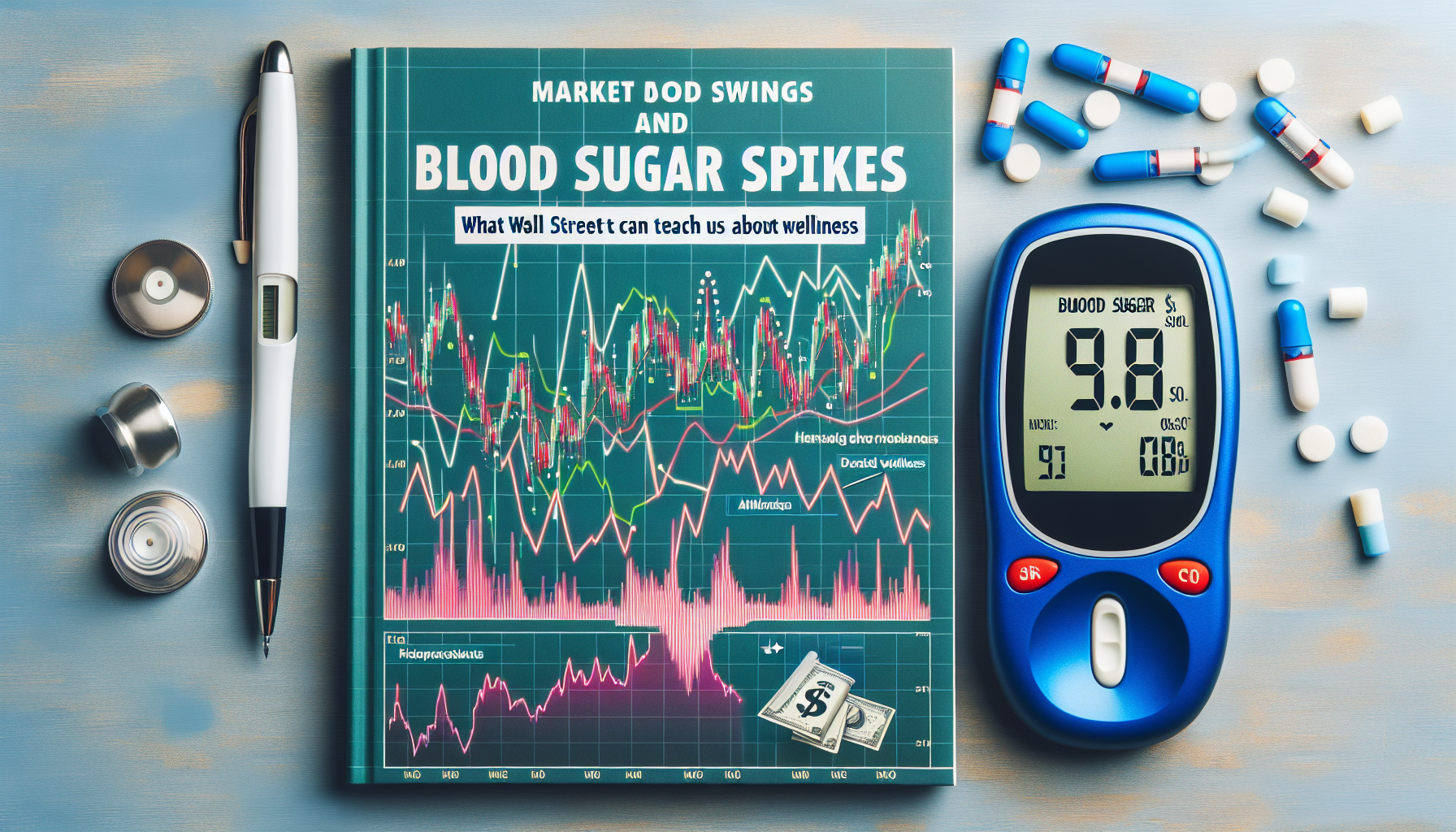
When we hear "market volatility" or "tech stocks tumble," it might feel like a distant financial storm. But what if I told you this economic environment shares surprising parallels with the way our bodies react to stress, sugar, and mismanagement—think diabetes and its complications?
In recent developments, U.S. markets dipped slightly this week as Wall Street hovered in anticipation of key economic indicators like the November jobs report and inflation data. The Dow and S&P 500 both slid roughly 0.1%, while the Nasdaq dropped 0.6%, led by steep declines in AI-heavy tech stocks like Oracle and Broadcom.
So why should wellness blog readers care? Because just like financial markets, our bodies also go through bullish and bearish periods—and how we manage disorders like diabetes could determine our long-term "investment returns" in health.
1. Acute Reactions: Tech Stocks and Blood Sugar Spikes
Have you ever eaten a sugary snack and felt a burst of energy—followed by a crash? The market just experienced its own version of that. Tech stocks, especially those involved in artificial intelligence, surged throughout 2025. But now, investor anxiety over inflated valuations has set in.
Sound familiar?
In diabetes, this kind of rollercoaster effect is echoed in acute complications like:
- Diabetic Ketoacidosis (DKA) – similar to markets overheating and crashing when investment becomes unsustainable without support.
- Hyperosmolar Hyperglycemic State (HHS) – a result of long-term neglect as sugar levels accumulate dangerously.
- Hypoglycemia – the risk of going too low due to overcorrecting with medication or diet, akin to a sharp market correction.
Much like AI stocks in the market today, unchecked optimism or mismanagement can lead to sudden and devastating crashes.
2. Long-Term Strain: Chronic Market Trends and Chronic Complications
While Wall Street braces itself for rate cut expectations and leadership changes at the Federal Reserve, most analysts now agree it's about long-term restructuring. AI might not disappear, but it could evolve more cautiously across diverse industries.
Similarly, in diabetes, the chronic issues are what ultimately matter:
- Macrovascular complications (like heart attack and stroke)
- Microvascular damage (affecting the kidney, retina, and nerves)
And just like the economy, our bodies cannot afford to depend on a single indicator (like fasting glucose) for sustained well-being. We need comprehensive management strategies—i.e., lifestyle and dietary diversity.
3. Prevention Is Better Than Panic: Early Warnings from Yahoo Finance and Your Body
Investors are anxiously watching for signs. Will President Trump’s new Fed pick lower interest rates again? Will inflation finally cool? In health, we also wait—often too late—for symptoms to show before acting. But wouldn’t you rather anticipate than react?
📌 Here’s how you can preempt both market crashes and health breakdowns:
- Eat foods low in sugar and high in fiber—think leafy greens, beans, fish with omega-3s, and garlic.
- Exercise regularly to keep insulin sensitivity high.
- Monitor your vital markers—glucose, HbA1c, and even your waist-to-hip ratio.
- Get regular check-ups the same way investors digest monthly jobs and CPI data.
The market has iRobot filing for bankruptcy. Your pancreas can’t declare bankruptcy—it just stops working. Prevention is your best capital allocation.
Real-life example?
Netflix anticipated Paramount’s hostile move and felt fine. Why? It was prepared. The same logic applies. Know your variables, build resilience.
4. AI Bubble or Natural Evolution? And What That Means for Healthcare
UBS and other analysts argue that while AI investments are under review, it doesn’t constitute a “bubble.” In fact, they predict a capex cycle much like prior innovation waves—infrastructure first, applications later.
In diabetes care, we’re seeing something similar. Wearables, smart insulin pumps, and continuous glucose monitors are foundational right now. But mass adoption and affordability are still ahead. It’s a long game.
As investors flee high-flying names seeking steadier ground, patients too should avoid fad diets or miracle supplements—and instead invest in evidence-based habits.
The Takeaway
Wall Street’s fluctuation reveals a deep truth: sustainable growth requires diversification, risk management, and emotional resiliency.
So does your health.
If you want to prevent the “economic crash” of your body—aka diabetic complications—it’s time to start treating your health with as much strategic discipline as financial portfolios demand.
Stay informed. Stay balanced. And always hedge your risks, whether in stocks or blood sugar levels.
📊 Wellness Tip of the Week:
Replace your morning frappuccino with black coffee or green tea. That’s like moving from volatile growth stocks to a long-term dividend ETF—healthier, steadier, smarter.
🧠 Bonus Thought:
What if your body was your portfolio? Would you buy more leafy greens and walk more steps… or keep investing in “junk bonds” (processed sugar and stress)?
The market is watching. Your body is too.
👉 Stay curious, stay healthy.
#DiabetesAwareness #MarketWisdom #AIStocks #HealthIsWealth #NutritionMatters #WellnessStrategy #FiscalFitness #FinanceAndFitness
Leave a Reply