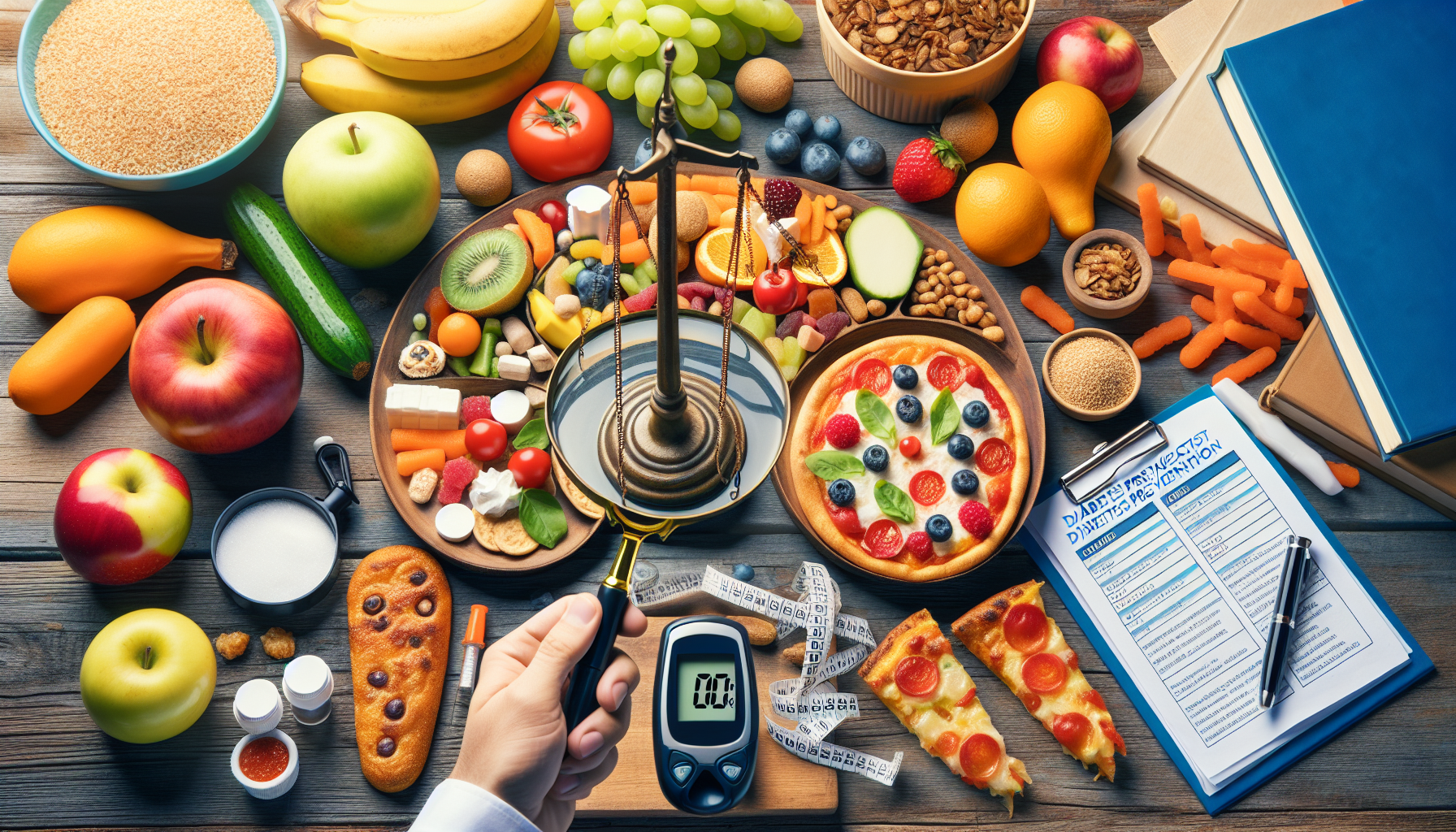
Title: The Hidden Dangers of Diabetes: Complications, Best Foods, and Prevention Tips You Need to Know
Diabetes is often referred to as a silent killer—not because of its immediate symptoms, but due to the dangerous complications it triggers throughout the body. Many patients aren't as afraid of the disease itself as they are of its potentially life-threatening side effects.
So today on the blog, we’re diving deep into diabetes complications—from acute to chronic forms—plus sharing the best (and worst!) foods for diabetics and essential lifestyle tips to help prevent these issues before they start.
Let’s protect your health—starting now.
🔍 Table of Contents
- What Are Diabetes Complications? (Acute vs Chronic)
- Acute Complications of Diabetes
- Diabetic Ketoacidosis (DKA)
- Hyperosmolar Hyperglycemic State (HHS)
- Hypoglycemia
- Treatment for Acute Complications
- Chronic Diabetes Complications
- Macrovascular (Large Vessel) Complications
- Microvascular (Small Vessel) Complications
- Treatment for Chronic Complications
- Top 6 Foods for Managing Diabetes
- Foods That Can Spike Your Blood Sugar
- Preventing Diabetes and Its Complications
1. What Are Diabetes Complications?
Managing diabetes is a lifelong journey, and while the disease itself can often be controlled, the longer it goes untreated or mismanaged, the higher the risk of severe complications.
These complications fall into two main categories:
- Acute complications: These occur suddenly and require immediate care.
- Chronic complications: These develop gradually over time and can affect multiple organs.
2. Acute Diabetes Complications
Think of acute complications as a red-alert sign that your blood sugar levels are dangerously unbalanced. Whether too high or too low, these episodes can be serious threats to life and require urgent intervention.
💥 Diabetic Ketoacidosis (DKA)
This is a potentially life-threatening condition that develops when your body doesn’t have enough insulin. In response, it starts breaking down fat for fuel, releasing ketones as a byproduct. Symptoms may include:
- Dry mouth and excessive thirst
- Nausea and vomiting
- Abdominal pain
- "Fruity" breath odor
- Rapid heartbeat and low blood pressure
Real-life case: A 24-year-old college student skipped doses of insulin due to a busy finals week. After 3 days of vomiting and fatigue, she was diagnosed with DKA and hospitalized for IV fluids and insulin therapy.
💧 Hyperosmolar Hyperglycemic State (HHS)
More commonly seen in older adults with Type 2 diabetes, HHS involves extremely high blood sugar levels (over 600 mg/dL), dehydration, and altered mental status. Without enough water intake, the body draws water out of cells, leading to kidney stress and potential coma.
⚠️ Hypoglycemia
If you miss meals, over-exercise, or take too much insulin or diabetes meds, your sugar can crash. Watch for:
- Dizziness, shakiness
- Rapid pulse
- Headache and blurred vision
- Seizures or fainting in severe cases
3. Treatment for Acute Complications
Acute complications are medical emergencies. Treatment often involves:
- IV fluids to combat dehydration
- Insulin therapy to reduce high sugar levels
- Electrolyte replacement (especially potassium)
- Close hospital monitoring for signs of organ stress or coma
📌 Pro tip: Always carry glucose tablets or snacks if you’re prone to hypoglycemia.
4. Chronic Diabetes Complications
These complications arise from prolonged high blood sugar, which damages blood vessels and nerves throughout the body.
They’re categorized into macrovascular (large vessels) and microvascular (small vessels) complications.
❤️ Macrovascular Complications
These affect the brain, heart, and limbs:
- Heart disease: Leading cause of death in diabetics
- Stroke: Due to atherosclerosis (narrowing or blockage of arteries)
- Peripheral artery disease (PAD): Poor circulation to legs and feet, increasing the risk of ulcers and amputation
👁️ Microvascular Complications
These impact vital organs powered by tiny blood vessels.
1. Diabetic Retinopathy
Blood vessels in the retina weaken or leak, causing vision loss or even blindness.
One early sign: blurry vision or floating spots. If you notice this, see your optometrist immediately.
2. Diabetic Nephropathy
High glucose damages the kidneys’ filtering units, resulting in protein loss in urine (foam-like urine), swelling, and—eventually—kidney failure.
3. Diabetic Neuropathy
This affects the nerves, particularly in extremities:
- Sensory nerves: Numbness, burning, or tingling in the feet or hands
- Motor nerves: Muscle weakness or twitching
- Autonomic nerves: Issues with blood pressure, digestion, bladder control, and even sexual performance
5. Treatment for Chronic Complications
Although chronic complications can’t always be reversed, proper management can slow progression.
✅ Key strategies include:
- Keeping blood sugar, blood pressure, and cholesterol levels within target range
- Quitting smoking and cutting alcohol
- Taking prescribed medications (e.g., ACE inhibitors for kidney protection)
- Routine screenings for eyes, kidneys, feet, and heart
Early detection = better outcomes.
6. Top 6 Diabetes-Friendly Superfoods
A healthy diet is your best natural medicine. Choose foods that are low in calories, high in fiber and healthy fats, and rich in nutrients.
🥦 1. Leafy Green Vegetables
Think spinach, kale, and broccoli. They’re packed with antioxidants and slow the digestion of carbs.
🫘 2. Lentils & Legumes
Great source of plant-based protein. Help stabilize blood sugar and lower cholesterol.
🥜 3. Nuts
Especially almonds and walnuts. Full of unsaturated fats and help prevent blood sugar spikes.
🐟 4. Fatty Fish
Salmon, sardines, and mackerel are loaded with omega-3s that protect your heart.
🧄 5. Garlic
May improve insulin sensitivity and reduce inflammation.
🍂 6. Cinnamon
Some studies show it helps lower fasting blood sugar—just don’t overdo it!
7. Foods to Avoid if You Have Diabetes
Here’s your "Not Today!" list if managing or preventing diabetes is your goal:
🍞 Refined Carbs (White rice, white bread, pasta)
Heavily processed and quickly broken down into sugar. Choose whole grains instead.
☕ Sugar-loaded drinks (Mix coffee, soda, energy drinks)
Packed with hidden sugars that spike your glucose levels.
🍺 Alcohol
High in empty calories and messes with blood sugar—especially on an empty stomach.
8. How to Prevent Diabetes Complications
Healthy habits aren’t just “nice to have”–they’re essential for long-term management and prevention.
📌 Top 5 Lifestyle Tips to Stay Ahead:
- Maintain a healthy weight & waist size
- Exercise regularly (30 mins/day of cardio or strength training)
- Follow balanced, consistent meals
- Avoid smoking and limit alcohol
- Get regular screenings and blood tests
Final Thoughts 💬
Diabetes management goes beyond blood sugar readings—it's a comprehensive approach to preventing complications that impact your eyes, heart, kidneys, and nerves. Knowledge, regular check-ups, and a healthy lifestyle can help you lead a full and vibrant life despite the diagnosis.
If you're experiencing unusual symptoms or you're unsure about your risk level, don’t wait. Speak with a doctor—online or in person—and take proactive steps to protect your future.
Because when it comes to diabetes—prevention and early action are everything.
💡 Stay informed. Stay empowered. And always take your health one step further.
Leave a Reply