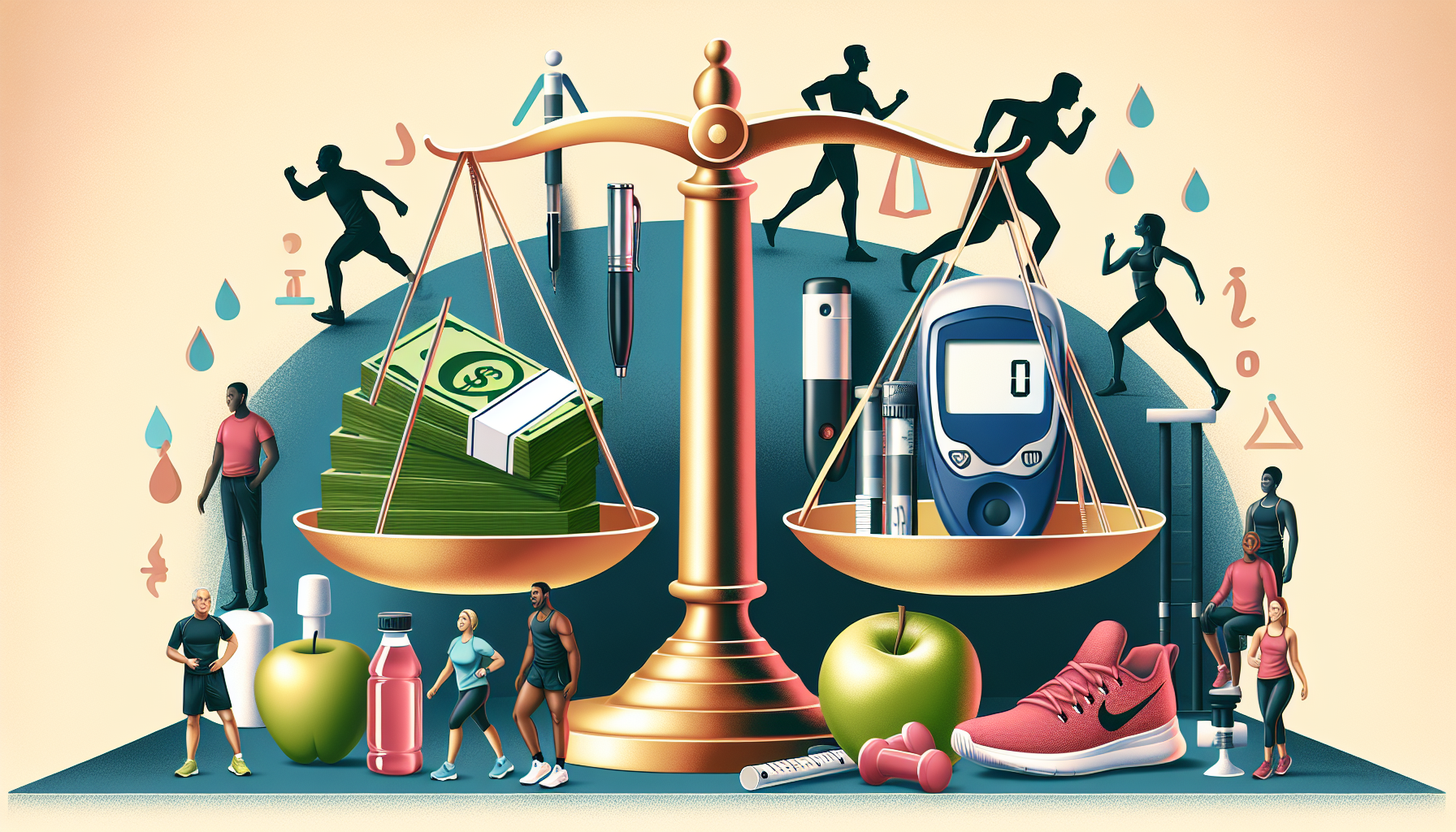
Big Bank Mergers and Diabetes Complications: Why Prevention Matters in Business and Health Alike
When you think about diabetes, you might picture needles and blood sugar charts. When you think about Wall Street, mergers and stock charts probably come to mind. But surprisingly, both share a powerful overlapping lesson: prevention and proactive management are better than reacting to crises.
Take, for example, the recent talk around a potential merger between Bank of New York Mellon (BNY) and Northern Trust. Though no official bid has been placed, even just the rumors sent share prices swinging and analysts rushing to predict outcomes. Similarly, when we talk about diabetes—especially type 2 diabetes—the big concern isn’t just the diagnosis. It’s the devastating complications that come if the disease is neglected or mismanaged.
In this blog, motivated by both health headlines and financial news, we’re diving into why diabetes complications are the real battle, what foods may help prevent or manage them, and how lifestyle adjustments can act as your personal “antitrust” policy against a full-blown health merger of problems.
📌 Table of Contents
- What Makes Diabetes So Dangerous?
- Acute Diabetes Complications: The Emergencies
- Chronic Complications: The Long-Term Damage
- Treatment: Responding With Urgency
- Foods That Support Blood Sugar Control
- Foods to Absolutely Avoid
- Prevent the Preventable: Lifestyle is Your Best Defense
1. What Makes Diabetes So Dangerous?
Diabetes on its own might sound manageable—but here’s the twist. The real threat lies in the damage it can do to the entire body—head to toe—if left unchecked.
Like in financial markets where a single bad merger can topple whole portfolios, a poorly managed case of diabetes can lead to cascading complications: eyes, kidneys, heart, nerves… all can suffer.
Let’s sort these complications into two primary categories: acute (short-term and urgent) and chronic (long-term and difficult to reverse).
2. Acute Diabetes Complications: The Emergencies 🚨
These are the “breaking news” moments your body sends out. Often sudden and potentially fatal if untreated.
⚡ Diabetic Ketoacidosis (DKA)
This happens when insulin levels get so low your body starts burning fat for energy, releasing ketones, which turn your blood acidic. Symptoms? Dry mouth, fatigue, nausea, fruity-smelling breath, and even unconsciousness.
💦 Hyperosmolar Hyperglycemic State (HHS)
Mainly affects type 2 diabetics. When sugar builds up without insulin, it draws out fluid, leading to extreme dehydration. Warning signs include excessive thirst and confusion.
🔽 Hypoglycemia (Low Blood Sugar)
Often triggered by skipping meals, overdoing insulin or certain medications. Can cause a rapid heartbeat, dizziness, or in severe cases, seizures and loss of consciousness.
🩺 Just as Northern Trust and BNY Mellon would need antitrust clearance, your body needs immediate intervention to prevent these crises from turning fatal.
3. Chronic Complications: The Long-Term Damage 🕰️
These issues sneak up on you—just like how unchecked financial practices eventually erode trust.
🫀 Macrovascular Complications
These affect major arteries and include heart disease, stroke, and peripheral artery disease (PAD). The risk is so high that heart disease is the leading killer of diabetics.
👁️ Microvascular Complications
These stem from damage to smaller blood vessels:
- Diabetic Retinopathy (eyes)—can lead to blindness.
- Diabetic Nephropathy (kidneys)—can progress to dialysis.
- Diabetic Neuropathy (nerves)—can cause numbness, pain or even amputations if unnoticed injuries lead to infection.
Real Life Case
Just like how BNY’s planned merger needs to clear layers of regulation, diabetes management needs blood pressure control, cholesterol monitoring, and kidney screenings to prevent permanent surveillance-case scenarios.
4. Treatment: Responding With Urgency
Acute complications? Like a financial crisis, swift action matters. DKA or HHS? You need hospitalization, IV fluids, insulin, electrolyte correction, and 24/7 monitoring.
Chronic complications mean long-term partnerships—much like how Northern Trust has stood independently for 135 years. Treatment involves:
- Blood sugar management
- Blood pressure and cholesterol medications
- Eye checks, foot care
- Possibly dialysis or surgeries for advanced cases
5. Foods that Fight Back Against Diabetes 🍽️
Don’t just treat diabetes—eat to manage and prevent it. Here are power players:
🥦 Green Vegetables
Spinach, kale, broccoli—low glycemic index and packed with antioxidants.
🫘 Legumes
Beans are filling and fiber-rich, helping slow sugar spikes.
🐟 Oily Fish (Salmon, Mackerel)
Rich in omega-3s, they protect your heart from diabetes-related damage.
🧄 Garlic & 🌰 Nuts
Natural inflammation fighters. Walnuts in particular have shown blood sugar benefits.
6. Foods to Avoid Like a Recession 🚫
You wouldn’t invest in a sinking company—why sabotage your health with foods known to spike blood sugar or damage organs?
- Refined carbs: white rice, white bread, cookies
- Sugary drinks: soda, sweetened coffee creams
- Alcohol: messes with blood sugar regulation
Try swapping in whole grains and unsweetened drinks to prevent metabolic chaos.
7. Prevention: The Ultimate Strategy 🛡️
Warren Buffett once said, “The best investment you can make is in yourself.” The same logic applies to preventing diabetes.
Here are your personal “non-negotiable policies”:
- Keep your waistline in check
- Move daily, even 20-30 mins helps
- Eat balanced, real food
- Sleep, de-stress, hydrate
- Get screened regularly
Remember: Just as merging two financial giants like BNY and Northern Trust would require strong risk management to avoid market shocks, your health requires your consistent attention to avoid system-wide failures.
In Conclusion
The headlines may be dominated by billion-dollar mergers, but the real story is personal. Whether it’s financial institutions or your own pancreas—success comes to those who plan ahead, manage risk, and stop problems before they boil over.
So whether you’re watching the stock market—or your blood glucose meter—step back, analyze trends, and take action before complications demand it.
Because in both cases, prevention isn’t just cheaper—it's life-saving.
🩺✅
📌 If you found this article helpful, consider subscribing to our wellness + finance newsletter for weekly insights you can act on—for your body and your bottom line!
Leave a Reply