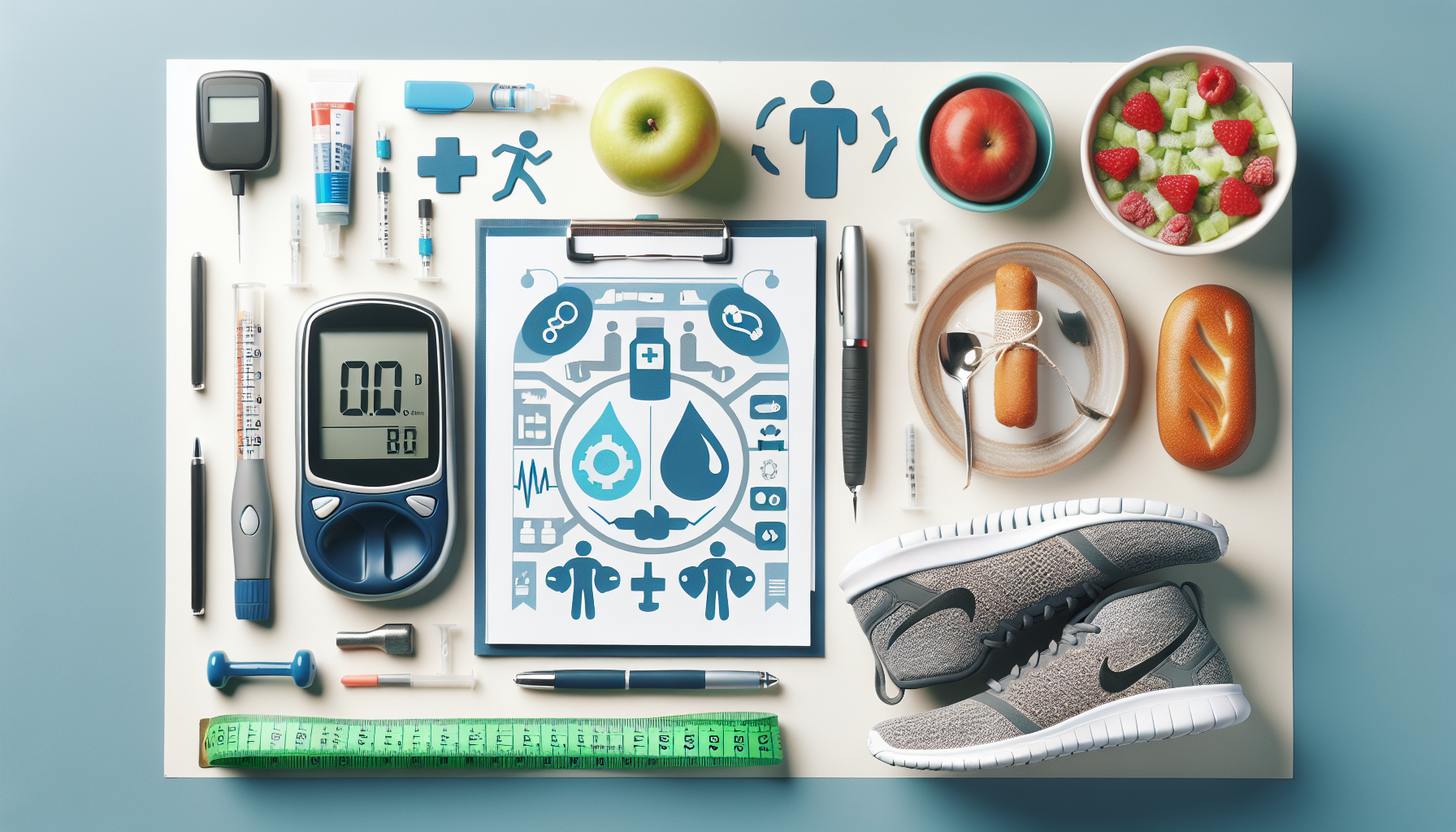
Understanding Diabetes Complications: Types, Treatment, and Prevention
Diabetes is often called a "silent threat" not only because of its chronic nature but also due to its potentially deadly complications. For many, it's not the disease itself but the resulting complications that become the true danger. In this post, we’ll break down the types of diabetes complications—both acute and chronic—explain their symptoms, how they’re treated, and share practical lifestyle tips, including what foods to enjoy and which to avoid.
Whether you're managing diabetes yourself or supporting a loved one, understanding the risks and prevention strategies can make all the difference.
📌 Table of Contents
- Types of Diabetes Complications
- Acute Complications: Short-Term Dangers
- Chronic Complications: Long-Term, Life-Altering Effects
- Best Foods for Diabetes Management
- Foods to Avoid for Diabetics
- Prevention Tips That Work
1. Types of Diabetes Complications
Diabetes complications come in two main forms:
- Acute Complications – These develop suddenly and can be life-threatening.
- Chronic Complications – These occur over time due to long-term high blood sugar and often affect essential body systems.
2. Acute Complications: Short-Term Dangers
These complications can escalate quickly and require immediate medical attention.
Diabetic Ketoacidosis (DKA)
Occurs when the body runs low on insulin and burns fat for energy, producing dangerous acids called ketones.
🩺 Symptoms:
• Excessive thirst
• Frequent urination
• Fatigue
• Nausea and vomiting
• Sweet-smelling breath
💡 Real-Life Example:
A college student forgot insulin injections for two days due to a hectic exam schedule—woke up disoriented and rushed to the ER. Diagnosis? Diabetic ketoacidosis.
Hyperosmolar Hyperglycemic State (HHS)
More common in type 2 diabetes, HHS involves extremely high blood sugar without the presence of ketones.
🩺 Symptoms:
• Very high glucose levels (above 600 mg/dL)
• Dehydration
• Confusion or unconsciousness
• Dry mouth and warm, dry skin
Hypoglycemia (Low Blood Sugar)
Low blood sugar can strike quickly, especially if diabetes medications are taken without proper meals.
🩺 Symptoms:
• Shaking
• Sweating
• Hunger
• Irritability
• Seizures or unconsciousness
3. Chronic Complications: Long-Term, Life-Altering Effects
Macrovascular Complications (Large blood vessels)
Involve damage to arteries and increased risk for:
• Heart attacks
• Strokes
• Peripheral artery disease
⛑ Did You Know?
According to WHO, diabetics are twice as likely to have heart disease compared to non-diabetics.
Microvascular Complications (Small blood vessels)
Diabetic Retinopathy
Damaged blood vessels in the retina can eventually lead to blindness.
Diabetic Nephropathy
The kidneys lose their filtering function, potentially requiring dialysis or transplant.
🩺 Common Sign: Foamy urine caused by protein leakage.
Diabetic Neuropathy
Affects nerves throughout the body, leading to:
• Numbness in hands or feet
• Burning pain
• Digestive or bladder issues
⚠️ In Severe Cases: Nerve damage can lead to limb amputation.
4. Best Foods for Diabetes Management
Eating well is key to keeping blood sugar in check. Focus on foods that are:
- Low in sugar and refined carbs
- High in fiber, healthy fats, and protein
✅ Diabetes-Friendly Superfoods
🥬 Leafy Greens — Spinach, kale, and broccoli are rich in fiber and antioxidants.
🥜 Nuts — Almonds and walnuts help lower bad cholesterol.
🐟 Fatty Fish — Mackerel and salmon provide heart-healthy omega-3s.
🫘 Beans & Lentils — Great plant protein with slow-digesting carbs.
🧄 Garlic & Onions — Can help lower blood sugar and cholesterol levels.
🍵 Cinnamon — Some studies show it improves insulin sensitivity.
5. Foods to Avoid for Diabetics
Steer clear of items that spike your blood sugar:
❌ White bread, white rice, and sugary snacks
❌ Soda, energy drinks, and sweetened coffee
❌ Alcohol, especially with mixers high in sugar
❌ Fried foods and processed meats
💡 Pro Tip: Choose whole grains like oats and brown rice. They release glucose slowly and help prevent spikes.
6. Prevention Tips That Actually Work
Preventing diabetes—or complications if you already have it—requires consistent lifestyle choices.
🏃♂️ 5 Golden Rules for Diabetes Prevention
- Maintain a healthy weight & waist size
- Exercise 30 minutes a day, most days
- Eat meals that are balanced in carbs, protein, and fiber
- Adopt consistent daily routines (sleep, meals, movement)
- Get regular health screenings—especially fasting glucose and A1C tests
🔍 Pro Insight: Early detection is your greatest defense. A simple annual blood test can alert you well before complications begin.
Final Thoughts
Diabetes is not a one-time diagnosis—it’s a lifelong management journey. But by staying informed, eating smart, and being proactive, you can lead a vibrant, healthy life, free from complications.
If you suspect early signs or have a family history of diabetes, talk to your healthcare provider. Prevention and control are always better than cure.
💬 Have a question or want to share your diabetes experience? Drop a comment—we’d love to hear your story!
#HealthTips #DiabetesAwareness #BloodSugarControl #HealthyLiving #ChronicIllness #NutritionForLife
Leave a Reply